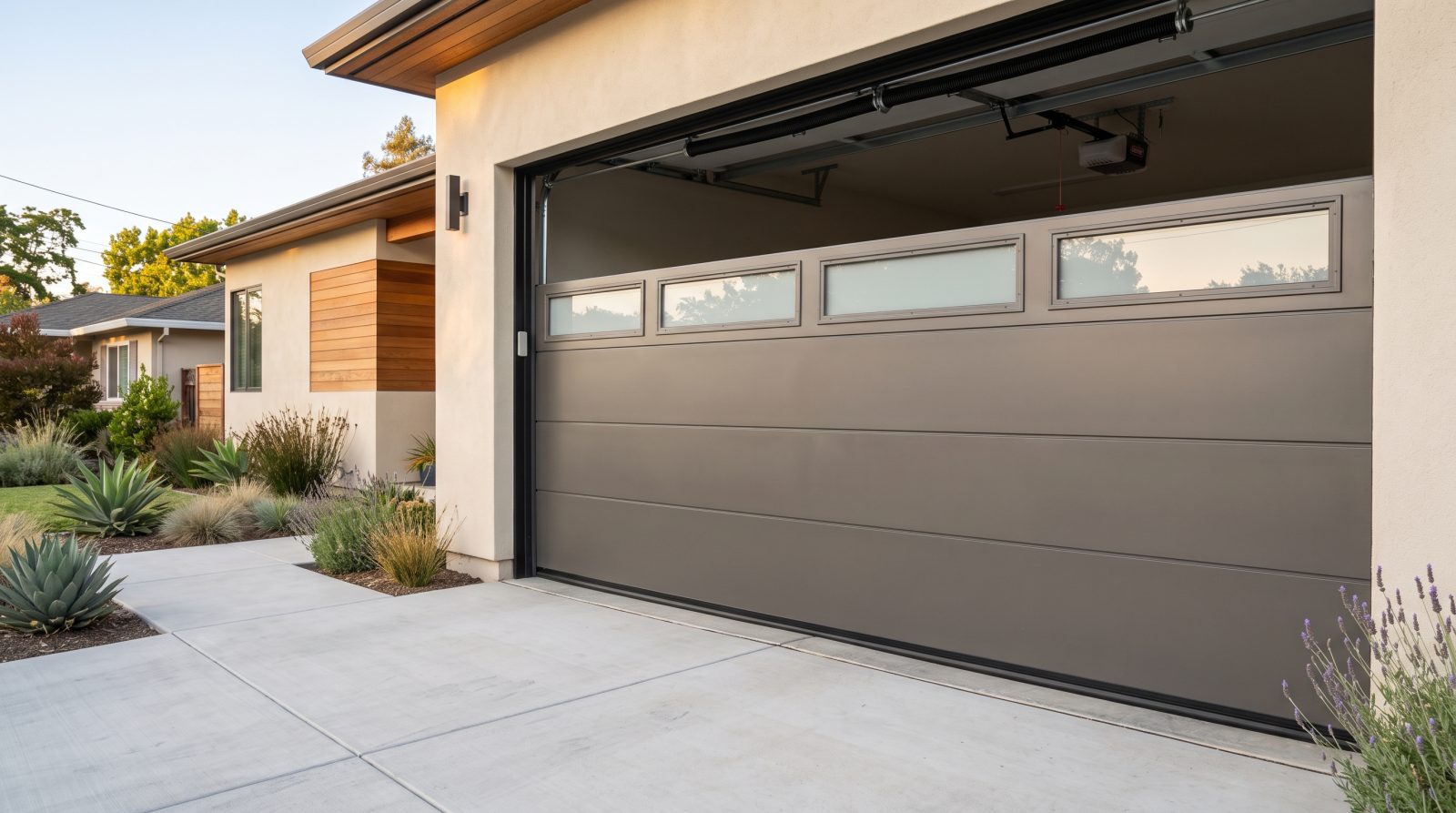
Why Replace Instead of Repair, and When Installation Makes Sense
Not every garage door problem warrants a full replacement, and a reputable installer will tell you that honestly. A single cracked panel, a worn spring, or a frayed cable is usually a repair. But there's a tipping point where new installation becomes the smarter long-term decision, both for safety and for cost. The clearest signal is when repairs start stacking up: if you've replaced springs, then cables, then rollers, then a panel within a couple of years, the door is telling you its core components are at end of life and you're paying piecemeal for what a new door would solve all at once.
Age and construction matter too. Doors from before modern safety standards may lack photo-eye reversal sensors or use extension springs without containment cables, both of which are real safety concerns. A heavy, uninsulated, rusting, or warped door also puts constant strain on the opener and springs, which is a common hidden cause of the sudden failures that lead to emergency calls. If your door is sagging, has sections that no longer seal at the bottom, or makes grinding and binding noises that repairs don't quiet, those are structural signals that a new door will serve you better than another patch.
There's also a security and energy angle. An old door that no longer closes fully, won't seal, or has a failing lock leaves your home exposed. An attached garage shares air with your living space, so an insulated, properly weather-sealed door can meaningfully steady temperatures in the room above or beside the garage, which matters more in regions with harsh winters or intense summer heat. If you're weighing repair versus replace and feel unsure, that's a normal place to ask for an honest on-site assessment rather than guessing.
- Repeated repairs in a short window usually cost more over time than one replacement
- Pre-safety-standard doors may lack auto-reverse sensors or contained springs
- Sagging, warping, rust, or sections that won't seal point to structural failure
- An insulated door helps with energy use and noise, especially for attached garages
- A door that no longer closes or locks fully is an active security risk
How Garage Doors Are Measured (Get This Right Before Anything Else)
Accurate measurement is the single most important step before ordering a door, and it's where do-it-yourself projects most often go wrong. Garage doors are sized by the rough opening, not by the old door panel, so measurements are taken from the finished framing. A professional installer measures the width and height of the opening itself, then checks the surrounding space the hardware needs to fit and operate safely. Even an inch of error can mean a door that binds, won't seal, or can't be ordered in a standard size.
The first numbers are the opening width and height, measured at the widest and tallest points. From there, the installer checks three critical clearances that most homeowners never think about. Side room is the space between each side of the opening and the nearest wall, which the vertical tracks need, typically a few inches per side. Headroom is the distance from the top of the opening to the ceiling, which the horizontal tracks, springs, and opener require; standard torsion-spring setups need a certain minimum, and low-headroom hardware exists for tight garages. Backroom is the depth from the opening back into the garage, which must accommodate the door panels when raised plus the opener rail.
Measurements should also account for the floor. Garage slabs are rarely perfectly level, and a sloped or uneven floor changes how the bottom seal meets the ground and how the door sits when closed. This is one reason professional measurement beats guessing from the old door: the old door may have been a non-standard or poorly fitted size to begin with. If you're gathering rough numbers before a consultation, measure the opening rather than the door, note your ceiling height and side clearances, and let the installer verify on-site, because they are the ones responsible for the door fitting and running correctly.
- Doors are sized by the rough opening, measured at the widest and tallest points
- Side room: clearance on each side for the vertical tracks
- Headroom: space above the opening for tracks, springs, and the opener
- Backroom: depth into the garage for the raised door and opener rail
- Note your ceiling height and any floor slope; low-headroom kits exist for tight spaces
What to Expect on Installation Day
A standard single-door replacement is typically a several-hour job, and most installs are completed in a single day. The process begins with removing the old door safely, which is more involved than it looks because the existing springs store significant energy. A trained installer releases that spring tension carefully before dismantling, and this is exactly the part you should never attempt yourself, since a spring under load can cause serious injury. The old panels, tracks, springs, and hardware all come out, and the opening is inspected for any framing damage or rot that needs attention before the new door goes in.
Next comes the new installation, built up in stages. The bottom section is set and leveled first, then each panel is stacked and hinged together as the vertical tracks are mounted plumb to the opening. The horizontal tracks and the spring system are installed and the springs are wound to the correct tension for the door's weight, which is precise work, since the wrong spring or wrong tension is a leading cause of doors that won't stay open, slam shut, or burn out an opener. Rollers, cables, weather seals, and the bottom astragal are fitted, and the opener is connected and programmed if it's part of the project.
Before the crew leaves, the door should be balanced and safety-tested. A correctly balanced door, disconnected from the opener, should stay put roughly halfway up rather than dropping or flying open, which tells you the springs are matched to the door. The auto-reverse safety features should be tested: the photo-eye sensors near the floor should reverse the door if the beam is broken, and the door should reverse on contact with an obstruction. A good installer walks you through operation, the manual release, and basic maintenance before considering the job done. Cleanup and haul-away of the old door are usually part of a professional install, so confirm that's included.
- Old door removal starts with safely releasing stored spring tension (never DIY)
- The opening is inspected for framing rot or damage before the new door goes in
- Panels are stacked and hinged; tracks are mounted plumb and level
- Springs are wound to the exact tension for the new door's weight
- Balance test and auto-reverse safety tests should be done before the crew leaves
Choosing the Right Door: Materials, Insulation, and Climate
The door you choose affects not just looks and price, but how it holds up to your climate and how often it'll need service. Steel is the most common choice because it's durable, low-maintenance, and available at a wide range of price points; insulated steel doors add rigidity and temperature control. Aluminum and glass doors offer a modern look and resist rust, making them popular in coastal and humid regions, though full-glass styles trade some insulation and privacy. Wood and wood-composite doors deliver a high-end appearance but generally need more upkeep, and solid wood can be sensitive to humidity swings. Composite and faux-wood options aim to capture the look with less maintenance.
Insulation is described by an R-value, where a higher number means better resistance to heat transfer. For a detached garage you rarely heat, insulation matters less. For an attached garage, a garage you use as a workshop or gym, or living space directly above the garage, a higher R-value insulated door pays off in comfort and energy use. Insulated doors are also typically quieter and more rigid, which helps them last and run smoothly.
Climate should genuinely steer the decision, and this varies a lot by region. In areas with cold winters, insulation and a flexible bottom seal that won't crack in freezing temperatures matter, and you'll want hardware rated to handle cold. In hot, sunny climates, lighter colors and fade-resistant finishes hold up better against intense UV. Coastal and high-humidity areas favor rust-resistant materials like aluminum or properly coated steel, plus stainless or galvanized hardware. In high-wind regions, wind-rated or reinforced doors are often required by local code, so check what your area calls for. Matching the door to your environment up front is one of the best ways to avoid premature wear and the sudden failures that follow it.
- Steel: durable and versatile; insulated steel adds strength and temperature control
- Aluminum/glass: modern look, rust-resistant, good for coastal/humid areas
- Wood and composite: premium appearance; wood needs more upkeep
- R-value matters most for attached garages and rooms above the garage
- Match material and hardware to your climate: cold, heat, salt air, or high wind
Cost Factors and Avoiding Future Emergencies
New garage door installation costs vary widely, and any honest figure is a range rather than a fixed price, because the total depends on the door's size, material, insulation, window and design options, the spring and opener system, and the complexity of the install at your home. As a rough industry guide, a basic single-car steel door installed often falls in the lower hundreds to low four figures, while larger double doors, premium materials like wood, full-glass designs, or doors that need custom sizing and low-headroom hardware run substantially higher. These are typical estimates meant for planning, not a quote; the only way to know your number is an on-site assessment that accounts for your specific opening and choices.
A few factors reliably move the price. Custom or non-standard sizes cost more than stock sizes. Insulation, decorative windows, and upgraded finishes add to the door cost. Replacing the spring system and adding or upgrading an opener are common line items, and torsion springs sized correctly for the door are worth prioritizing over cutting corners. If your existing framing, tracks, or floor need work to accept the new door, that adds labor. Haul-away of the old door is usually included by professional installers, but it's worth confirming.
Because urgent garage door failures are the central focus here, here's the practical payoff of installing well: most of the emergencies homeowners face, such as a snapped spring, a door stuck halfway, an off-track door, or an opener that quit, trace back to undersized or mismatched springs, a door heavier than the system was set up for, skipped balance testing, or deferred maintenance. Choosing the right door for your climate, insisting on a proper balance and safety test at install, and keeping up with simple maintenance like lubrication and seal checks dramatically reduces the odds you'll ever need an emergency call. If you'd like a clear, no-pressure assessment of your opening and a realistic estimate for your situation, you can request a free quote and get exact numbers for your home.
- Costs are ranges, not fixed quotes; size, material, and options drive the total
- Custom sizing, insulation, windows, and premium finishes raise the price
- Springs and openers are common line items; correctly sized springs are worth prioritizing
- Confirm whether old-door haul-away is included in the estimate
- A proper install plus basic upkeep is the best defense against future emergencies